
Kenyan Roses for Export: Varieties, Colours, Grades & Buying Guide
September 10, 20267 min read
Contents
- Key Takeaways
- Why Kenyan Roses Are Internationally Recognised
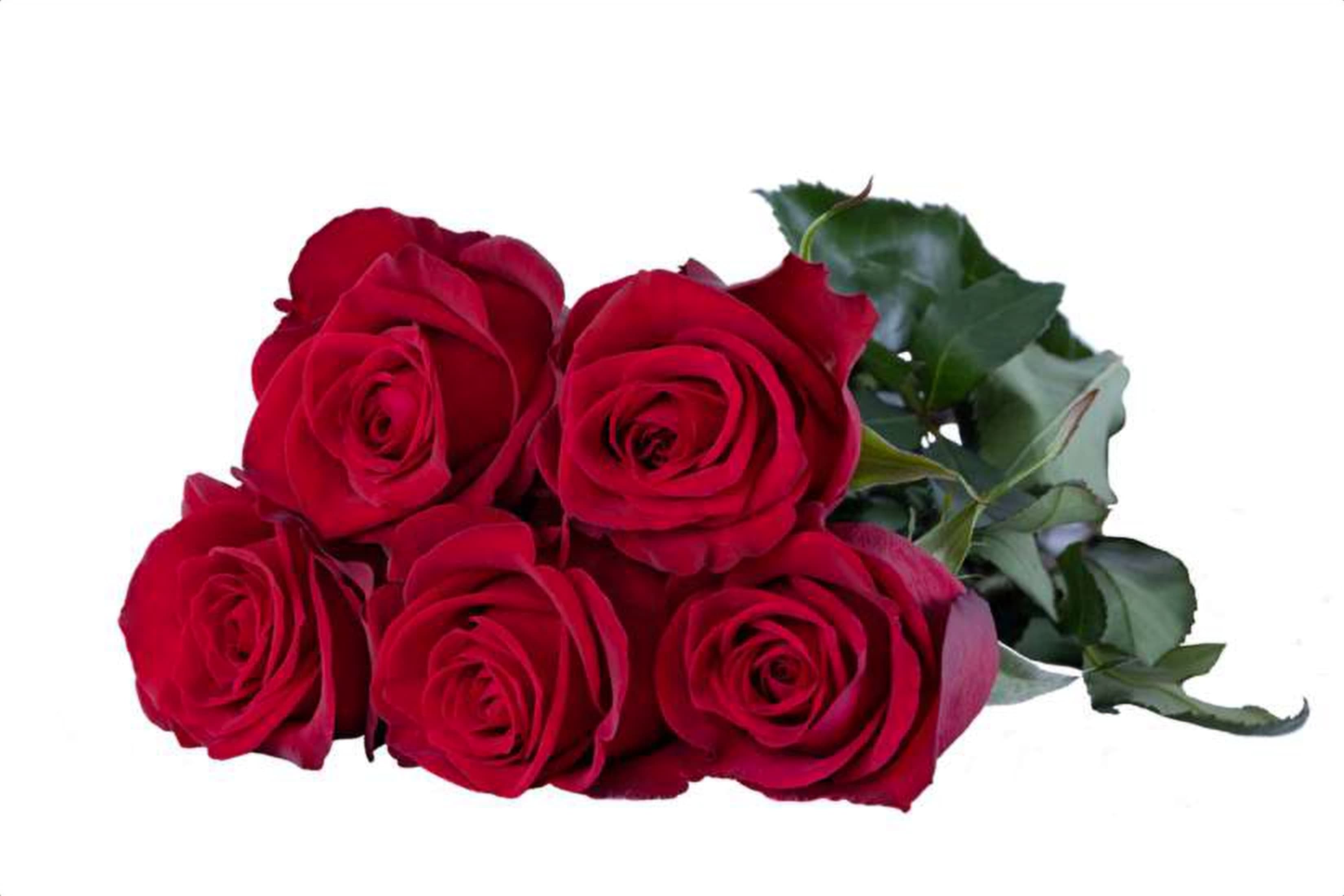
- Single-Head Roses vs Spray Roses
- Garden Roses
- Why Named Varieties Matter More Than Colour Alone
- Colour Categories
- Stem Lengths and Grades
- Bud Size and Bloom Quality
- Vase Life Considerations
- Packaging for Roses
- Seasonal Availability
- Wholesale Buying and Export Preparation
- How to Request Rose Specifications
- How to Compare Rose Suppliers
- Frequently Asked Questions
- Related Reading
Roses are Kenya's single most important cut-flower export, and for a buyer new to the category, the range of formats, colours, stem lengths and grades on offer can be genuinely confusing. This guide covers what international buyers actually need to know to specify, compare and order Kenyan roses with confidence.
Key Takeaways
- Kenyan roses are graded on stem length, bloom diameter and overall condition — a "rose" is not one product but a matrix of variety, colour, stem length and grade.
- Single-head and spray roses are grown in the same highland conditions but serve different design and pricing purposes.
- Named varieties matter more than colour alone, because they're the closest thing the trade has to a guarantee of a repeatable, consistent product.
- Vase life depends primarily on harvest timing and cold-chain continuity, not on variety or stem length alone.
Why Kenyan Roses Are Internationally Recognised
Roses are Kenya's single most significant cut-flower export, and the reputation of Kenyan-grown roses internationally rests on the country's growing conditions: high-altitude farms, mostly above 1,500 metres, combine strong equatorial sunlight with cool overnight temperatures, producing strong stems, saturated colour and good vase life. See why Kenya for the underlying climate science.
Single-Head Roses vs Spray Roses
| Single-Head Roses | Spray Roses | |
|---|---|---|
| Bloom format | One full bloom per stem | Several smaller blooms (usually 3–7) branching from one stem |
| Typical stem length | 50–80cm | 40–80cm |
| Typical bloom size | ~5.5–6.5cm diameter | ~2.5–3cm per head |
| Common use | Bridal work, statement arrangements, premium bouquets | Texture, volume and garden-style arrangements |
| Wholesale role | Kenya's largest single export category | Complements single-head roses in mixed bouquets |
Grading ranges vary by farm and variety, so always confirm specifics for the exact variety you're ordering. See Standard Roses vs Spray Roses for a fuller comparison of how buyers choose between the two.
Garden Roses
Some Kenyan growers also produce garden rose types, with a fuller, more layered bloom form than standard roses. Availability for garden roses is more variable than for standard and spray formats, since fewer growers produce them at volume — confirm current supply with your supplier before specifying garden roses in an order.
Why Named Varieties Matter More Than Colour Alone
Named varieties function as a shorthand for a consistent, repeatable product — the same variety ordered twice should produce a consistent bloom form, colour and stem quality, unlike a generic colour-only order, which can be filled from any variety that happens to match the shade requested. If a previous order performed well for your market, note the variety name and specify it directly on reorders rather than describing the colour and leaving variety selection to chance.
Colour Categories
Kenyan rose varieties span the full commercial colour range: true reds, whites, pinks (from baby pink through hot pink and cerise), peach, orange, purple and lavender tones, yellow, and bi-colour combinations blending two tones within a single bloom. If your market has a strong seasonal colour preference (red around Valentine's Day, pastels for spring events), flag this early — colour-specific demand spikes are exactly when supply is tightest.
Stem Lengths and Grades
In our catalogue, single-head roses are typically graded across 50–80cm stems, and spray roses across 40–80cm stems. Longer stems generally carry a premium and suit larger, more elaborate arrangements; shorter stems suit compact retail bunches. Single-head roses are commonly graded to a 5.5–6.5cm bloom diameter, and spray rose heads to around 2.5–3cm each. Because grading conventions can vary slightly between farms, always confirm the specific range for the variety and grade you're ordering rather than assuming a universal standard.
Bud Size and Bloom Quality
Bud size at harvest is a deliberate choice, not a quality shortfall — roses are cut at a stage calculated to open correctly over the days between harvest and arrival, not at full bloom. A tightly closed bud on arrival is often a sign of correct harvest timing, not immaturity, and should open properly in the days following delivery provided the cold chain has been maintained.
Vase Life Considerations
Vase life depends on variety, harvest timing and how well the cold chain is maintained after cutting — not on stem length or bloom size alone. Roses harvested at the correct bud stage and kept in an unbroken cold chain generally perform best. See Flower Quality and Cold Chain for what actually drives vase life outcomes.
Packaging for Roses
Roses are typically bunched to a set stem count — 20 or 25 stems per bunch is common — sleeved for protection, and packed into standard export cartons, though packaging preference (bunch size, sleeving, carton configuration) can be confirmed at quotation to match your destination and handling requirements.
Seasonal Availability
Rose production in Kenya runs largely year-round given the equatorial climate, but availability by specific variety, colour and stem length still fluctuates with weather, grower cycles and demand — particularly around global peak-demand periods when a specific colour (red, for example) is in higher demand everywhere at once. Always confirm current availability by named variety rather than assuming any colour or stem length is available on demand. See Kenya Flower Seasons & Availability for the fuller picture.
Wholesale Buying and Export Preparation
Wholesale buyers generally prioritise consistent grade and supply reliability over chasing the newest variety. Moving from ad-hoc orders to a defined frequency typically improves both pricing and planning predictability — see our Wholesale Flower Buying Guide. Export preparation for roses follows the same sequence as any Kenyan flower category — grading, hydration, cold storage, packing and documentation — see Flower Export From Kenya for the full journey.
How to Request Rose Specifications
When requesting a quote for roses, specify: variety (if known) or intended use, colour or colour family, stem length range, bloom size/grade if relevant, quantity by variety and colour, bunching and packaging preference, and destination with required date. The more specific the request, the more accurately a supplier can confirm availability and quote.
How to Compare Rose Suppliers
- Do they name specific varieties currently available, or only speak in general colour terms?
- Can they confirm bloom diameter and stem length ranges for the variety you're interested in?
- How do they describe their hydration and cold-storage process before packing?
- What packaging formats can they offer for your order size and destination?
- Are they transparent about seasonal fluctuations, or do they claim everything is always available?
Importing follows the same process as any Kenyan flower category: confirm your specification, request a quotation, review documentation requirements, and plan for cold-chain continuity. See our full import guide.
Browse the current range on our Kenyan Roses catalogue page, including single-head roses and spray roses separately.
Frequently Asked Questions
What's the difference between single-head and spray roses?
A single-head rose carries one full bloom per stem — the classic wholesale rose format. A spray rose branches partway up the stem to carry several smaller blooms, usually three to seven, from a single cutting. See Standard Roses vs Spray Roses for a fuller comparison.
What stem lengths are available for Kenyan roses?
In our catalogue, single-head roses are typically graded across 50–80cm stems, and spray roses across 40–80cm stems. Longer stems generally carry a premium and suit larger arrangements.
How many roses come in a standard bunch?
Roses are typically bunched to a set stem count — 20 or 25 stems per bunch is common — then sleeved for protection and packed into standard export cartons, though packaging preference can be confirmed at quotation.
Are garden roses always available from Kenya?
Availability for garden rose types is more variable than for standard and spray formats, since fewer growers produce them at volume. Confirm current supply with your supplier before specifying garden roses in an order.
How is rose bloom size graded?
Single-head roses are commonly graded to a 5.5–6.5cm bloom diameter, and spray rose heads to around 2.5–3cm each. Grading ranges vary by farm and variety, so confirm specifics for the variety you're ordering.
Why does a rose arrive with a tightly closed bud?
Roses are cut at a bloom stage calculated to open correctly over the days between harvest and arrival, not at full bloom. A closed bud on arrival is usually a sign of correct harvest timing rather than a quality issue, provided the cold chain has been maintained.
Related Reading
- How to Import Flowers From Kenya
- Wholesale Flower Buying Guide for International Buyers
- Flower Export From Kenya
- Markets We Serve
Ready to order? Request an Export Quote.
Ready to Source Kenyan Flowers?
Tell us your flower, specifications and destination — our export team will confirm availability.
Related Articles

Flower GuidesSeptember 20263 min read
Kenyan Gypsophila: Baby's Breath for Wholesale Buyers
Gypsophila's airy, branching form makes it one of the most widely used filler flowers in the global cut-flower trade.
Read article →
Flower GuidesSeptember 20263 min read
Kenyan Alstroemeria: A Buyer's Guide
Alstroemeria's long vase life and distinctive bicolour markings make it one of the most reliable filler and focal flowers in wholesale floristry.
Read article →
Flower GuidesSeptember 20264 min read
Standard Roses vs Spray Roses
Single-head and spray roses serve different roles in an arrangement — here's how they differ and when buyers typically choose each.
Read article →