

Contents
- Key Takeaways
- Kenya's Growing Environment
- How Altitude and Equatorial Light Affect Production
- Weather Effects on Production
- Crop Cycles and Grower Planning
- Demand Effects on Availability
- Quality and Volume Fluctuations
- General Availability by Category
- Seasonal Planning for Wholesalers and Importers
- Why Buyers Should Confirm Availability Before Placing Orders
- Frequently Asked Questions
- Related Reading
One advantage of sourcing from Kenya is a comparatively stable, equatorial growing climate — but "stable" does not mean every variety is available every week in every volume. This guide separates two things buyers often conflate: general industry information about how Kenyan flower seasons work, and TrueScent's own current availability, which changes week to week and should always be confirmed directly rather than assumed from an article like this one.
Key Takeaways
- Kenya's equatorial location and highland altitude give it far less seasonal growing disruption than temperate-climate flower origins, but "less disruption" is not the same as "unlimited availability."
- Availability moves with grower production cycles, weather, variety-specific growing windows and demand spikes around major gifting occasions — not with a fixed calendar.
- Core categories (roses, carnations, alstroemeria) tend to be the most consistently available; specialty and niche varieties fluctuate more since they're grown in smaller volumes.
- This article describes general industry patterns. TrueScent's actual current stock should always be confirmed directly — never assume availability from general seasonal information alone.
Kenya's Growing Environment
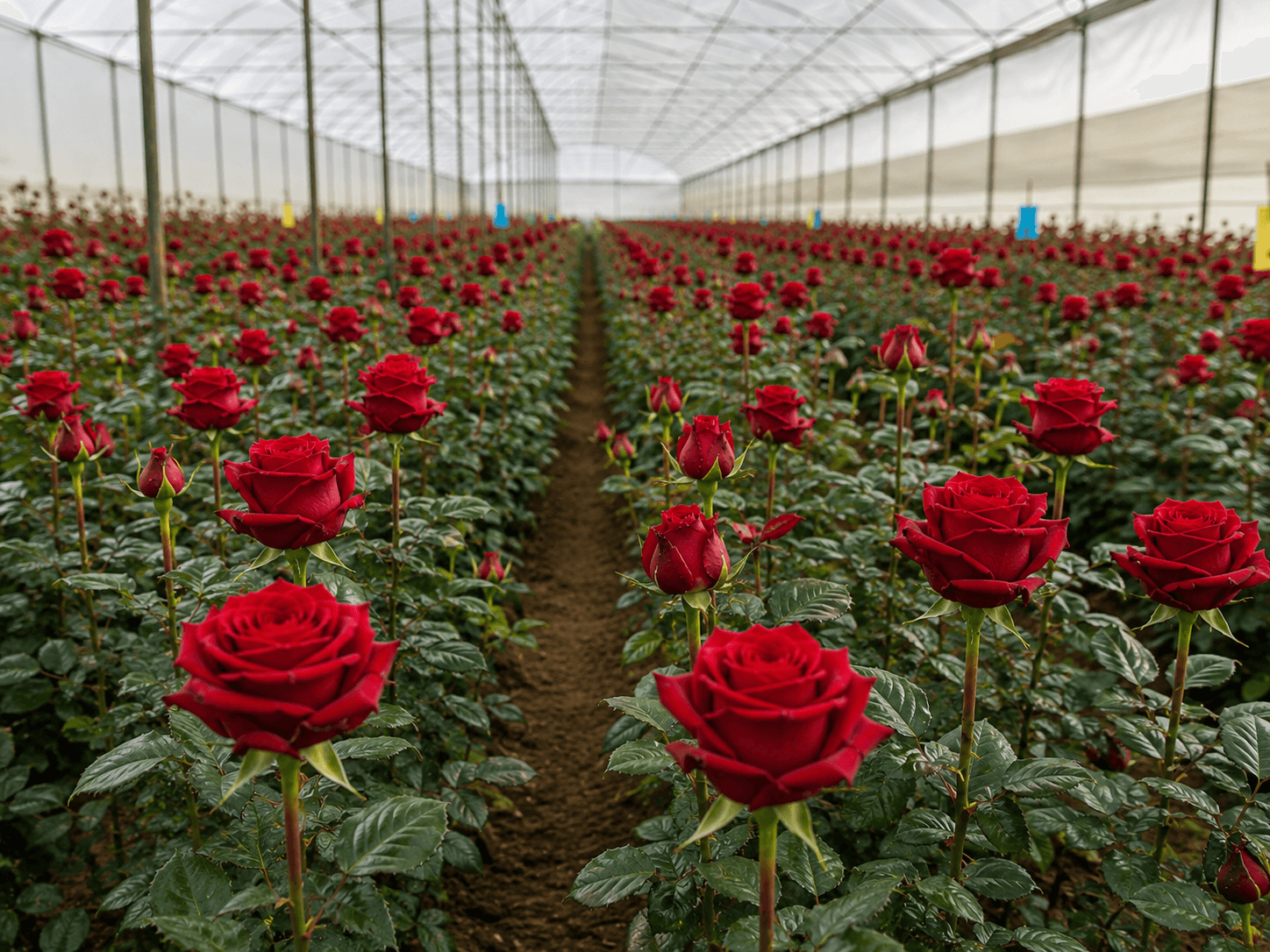
Kenyan flower production is concentrated in highland districts — including Naivasha, Nakuru, and the areas around Nanyuki, Timau and Mount Kenya — generally between 1,500 and 2,500 metres above sea level, near the equator. Read more in Kenya's Flower-Growing Regions.
How Altitude and Equatorial Light Affect Production
Altitude combines with equatorial day length to give growing regions consistent light year-round alongside cool night-time temperatures. This slows plant respiration, supporting strong stems and saturated colour, and means Kenya doesn't experience the sharp seasonal growing shutdowns — short winter days, hard frosts, dormancy periods — that temperate-climate flower origins do. This is the core reason Kenya is often described as a comparatively stable, near-year-round origin relative to seasonal-climate growers.
Weather Effects on Production
"Stable" does not mean "unaffected by weather." Rainfall patterns, temperature swings within a growing region, and occasional weather anomalies can all affect flowering cycles, stem quality and volumes in a given period, even within Kenya's generally favourable climate. Growers plan around these patterns, but weather-driven variation is a genuine, normal part of agricultural production anywhere in the world — Kenya is not exempt from it, just less exposed to it than seasonal-climate origins.
Crop Cycles and Grower Planning
Every flower variety has its own growing cycle — the time from planting or pruning to harvest, and the rhythm of repeat flowering after that. Growers plan production against expected demand, but crop cycles mean supply of a specific variety can rise and fall independently of demand, particularly for varieties grown in smaller volumes or newer plantings still reaching full production.
Demand Effects on Availability
Even a perfectly stable supply can feel "unavailable" if demand spikes faster than growers can respond. International demand rises sharply around major floral gifting occasions such as Valentine's Day and Mother's Day — and, depending on the destination market, other regional and religious observances — when growers across the industry, not just one farm, are managing the same demand spike simultaneously. Buyers planning volumes around these dates should confirm availability and place orders well in advance of the peak.
Quality and Volume Fluctuations
Even where a variety remains technically available, both quality (stem length distribution, bloom size, colour consistency) and volume can fluctuate with the growing conditions of a particular period. A supplier who tells you a specific batch is running shorter stems than usual, or that volume is tighter than normal this week, is giving you more useful information than one who reports uniform availability regardless of conditions.
General Availability by Category
The table below reflects general industry patterns for Kenyan-grown flowers, not a guarantee of TrueScent's current stock — always confirm live availability directly.
| Category | General availability pattern |
|---|---|
| Single-head & spray roses | Grown year-round; the most consistently available category, though specific named varieties shift with grower planning |
| Carnations | Durable, long-lasting crop grown across Kenya's regions; generally consistent in both standard and spray form |
| Alstroemeria | Grown year-round; valued for long vase life and reliable supply as a filler and focal flower |
| Gypsophila | Grown consistently as a filler crop, though volumes can vary with grower planning and order lead time |
| Chrysanthemums | Disbud varieties grown for reliable vase life; generally consistent availability |
| Hydrangeas | More variable than core rose and carnation production; worth confirming directly at enquiry |
| Gerbera | Wide colour range with generally consistent availability, subject to current farm supply |
| Specialty & niche flowers | Greater availability variation, since typically grown in smaller volumes than core commercial crops |
| Foliage | Generally steady supply, used as a complement to focal blooms rather than a standalone seasonal crop |
Seasonal Planning for Wholesalers and Importers
Buyers building a recurring supply programme benefit from discussing seasonal variation directly with their supplier rather than assuming static year-round availability for every variety — particularly around peak demand periods, when confirming volumes early matters more than usual. A useful practice for a recurring programme is to agree a standing specification (preferred varieties, acceptable substitutes, stem length range) so your supplier can flag in advance when a specific request is likely to be tight, rather than discovering it at order time.
Why Buyers Should Confirm Availability Before Placing Orders
Actual availability depends on grower production, season, variety, specification and current supply at the time of enquiry — general industry information, including everything above, describes patterns, not guarantees. Subject to availability and buyer requirements — always confirm current stock with your supplier before finalising an order, particularly for time-sensitive events or large-volume orders.
See our Kenyan Roses guide for variety-level detail, or browse the full catalogue to see what's currently listed.
Frequently Asked Questions
Is Kenyan flower availability really the same year-round?
Kenya's equatorial climate supports comparatively stable growing conditions year-round, without the sharp seasonal shutdowns temperate-climate origins experience. That said, availability still shifts by variety, weather, grower production cycles and demand-driven seasonality, so it isn't identical every week of the year.
When is demand for Kenyan flowers highest?
Demand rises sharply around major floral gifting occasions such as Valentine's Day and Mother's Day. Buyers planning volumes around these dates should confirm availability and place orders well in advance.
Which Kenyan flowers are most consistently available?
Standard and spray roses, carnations and alstroemeria are generally the most consistently available categories, grown year-round across Kenya's highland regions. Specialty and niche varieties tend to see more availability variation since they're typically grown in smaller volumes.
Do I need to order months ahead to guarantee availability?
For core categories like roses and carnations, lead time requirements are generally shorter than for niche varieties, but confirming availability directly with your supplier before finalising an order is always the safer approach — particularly around peak demand periods.
Why does availability vary if Kenya's climate is this stable?
Even with stable growing conditions, availability still depends on grower production cycles, weather, variety-specific growing windows, current farm capacity and demand-driven seasonality — a stable climate reduces seasonal risk but doesn't eliminate normal supply variation.
Does this article reflect what TrueScent has in stock right now?
No — this article describes general patterns in Kenyan flower production. TrueScent's actual current availability changes week to week and should always be confirmed directly through an enquiry rather than assumed from general seasonal information.
Related Reading
- Kenyan Roses for Export: Varieties, Colours, Grades & Buying Guide
- Wholesale Flower Buying Guide for International Buyers
- How to Import Flowers From Kenya
Ready to check current availability? Request an Export Quote.
Ready to Source Kenyan Flowers?
Tell us your flower, specifications and destination — our export team will confirm availability.
Related Articles
Kenya Flower IndustrySeptember 20265 min read
Kenya's Flower-Growing Regions
Kenyan flower production is concentrated in a handful of highland districts, each shaped by its own altitude and microclimate.
Read article →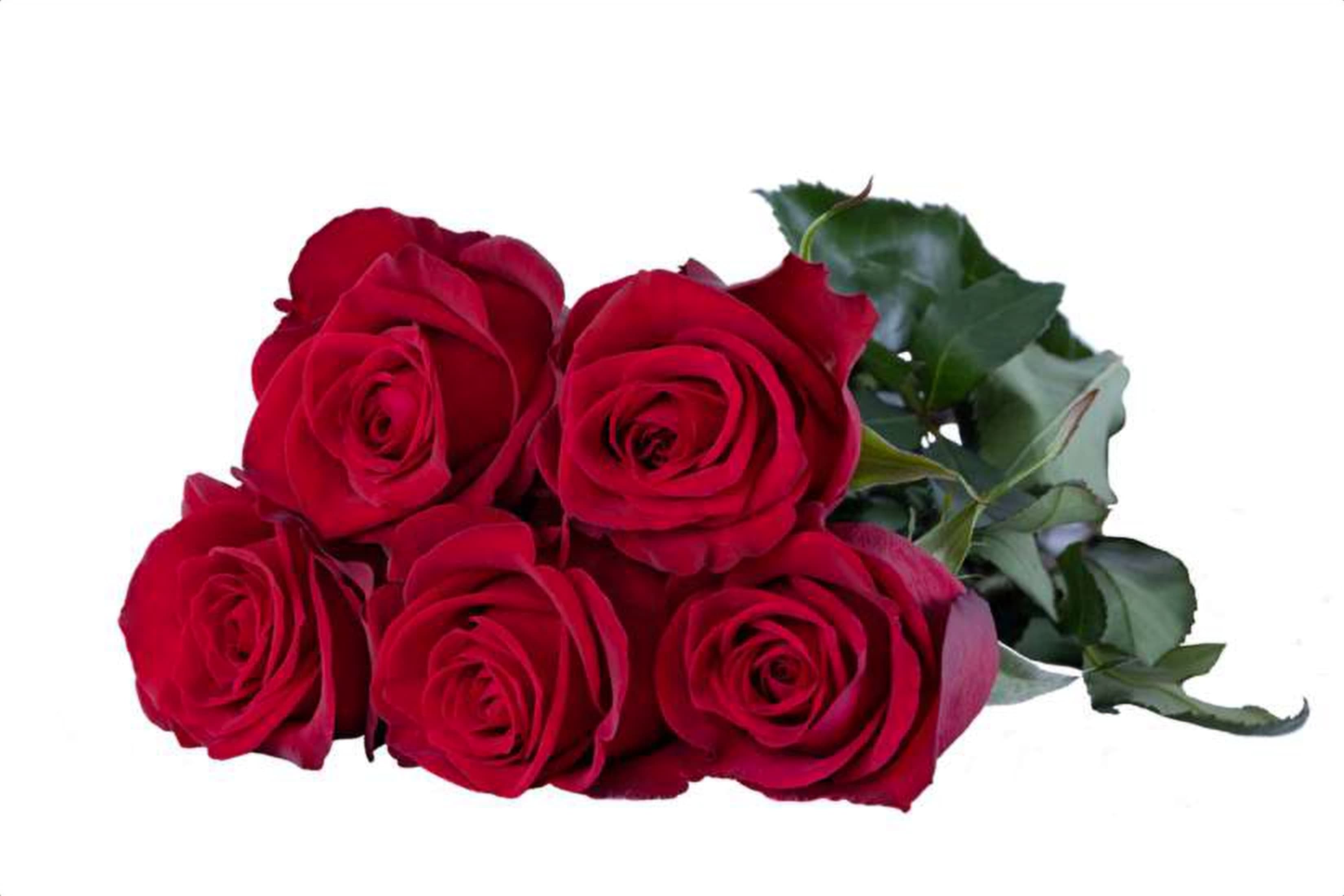
Kenya Flower IndustryAugust 20265 min read
Why Kenya Is One of the World's Leading Flower Exporters
Kenya's high-altitude climate, established growing infrastructure and air freight connectivity have made it a major source of cut flowers for international markets.
Read article →