
Contents
Stem length is one of the primary grading criteria used across the cut flower trade, and it's also one of the areas where buyers new to importing most often under-specify their order. Understanding how stem length and grade actually work — and how they differ from each other — helps you order more precisely and avoid mismatches on arrival.
Key Takeaways
- Stem length is graded in centimetre increments and directly affects both price and how a flower can be used.
- Grade is a broader concept than stem length alone — it also covers bloom or head size, straightness and overall condition.
- Matching stem length to your intended end use (retail, standard bouquet, premium event work) is one of the simplest ways to control cost without compromising the result.
- Stem length does not meaningfully affect vase life — cold-chain handling and harvest timing do.
Why Stem Length Matters
Longer stems are generally graded higher and priced at a premium, reflecting both the additional growing time required and their suitability for larger, more elaborate arrangements. Shorter stems suit compact retail bunches and cost-efficient bulk orders. Because stem length is one of the clearest, most objective specifications in a cut flower order, it's also one of the easiest things to get precisely right — and one of the most common things buyers leave vague, which then shows up as a mismatch between what was expected and what arrives.
Typical Stem Length Ranges
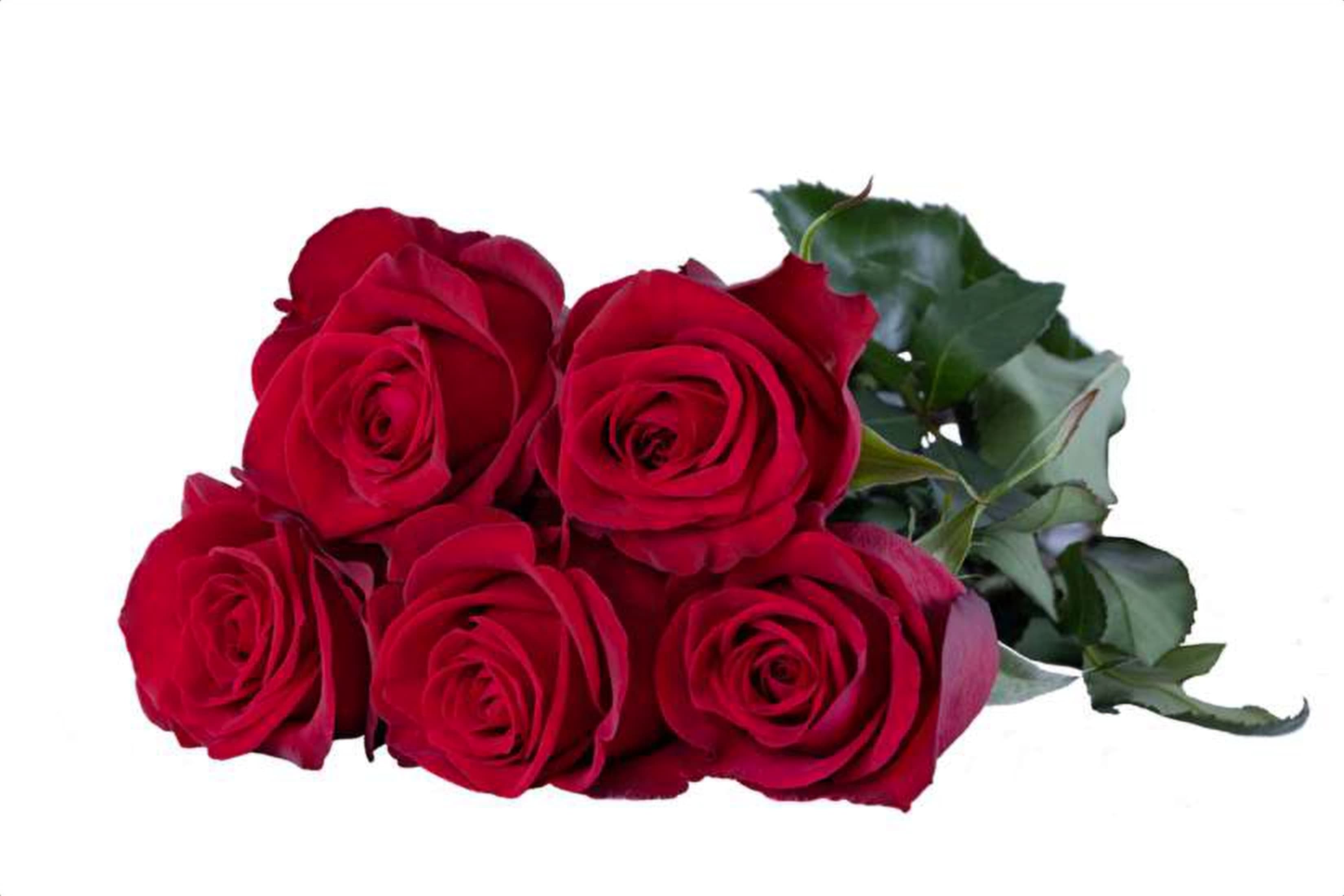
Most Kenyan-grown roses are graded in 10cm increments from around 40cm through to 90cm or longer for premium stems. Other flower varieties follow their own typical ranges — filler flowers, for example, are usually shorter and less strictly graded by length than focal blooms like roses or lilies. Always confirm the specific range available for the variety you're ordering rather than assuming a universal standard applies across every flower type.
Stem Length vs. Grade: What's the Difference?
Stem length is one input into grade, not the whole of it. Grade typically reflects a combination of:
| Grading factor | What it covers |
|---|---|
| Stem length | Measured in centimetres, usually in standard increments |
| Bloom or head size | Diameter of the flower head, relevant especially for roses and similar focal blooms |
| Straightness | How straight and uniform the stem is |
| Overall condition | Freedom from damage, disease or defects |
Two stems of the same length can carry different grades if one has a larger bloom or straighter form — which is why specifying grade alongside stem length gives a supplier a fuller picture of what you actually need. See Kenyan Roses for Export for how this applies specifically to roses.
Matching Stem Length to End Use
- Retail bunches: typically 40–50cm stems for cost efficiency and shelf presentation.
- Standard bouquet work: typically 50–60cm stems.
- Event and premium arrangements: 70cm+ stems for dramatic scale and presence.
How to Specify Stem Length in an RFQ
When requesting a quotation, specify your preferred stem length range up front, along with any grade requirement relevant to your market. This helps suppliers match grade and pricing to your intended use from the outset, rather than quoting a default that may not fit your actual use case. See our Kenyan Roses buying guide for variety-specific stem length ranges, or request a quote specifying your preferred range directly.
Common Mistakes to Avoid
- Ordering by colour and variety alone, leaving stem length unspecified and letting the supplier default to whatever is available.
- Assuming a stem length available for one variety (say, roses) applies uniformly to a different flower type.
- Not distinguishing between stem length and grade, then being surprised when bloom size or straightness doesn't match expectations.
Frequently Asked Questions
Do longer stems always cost more?
Longer stems generally carry a premium, reflecting both additional growing time and their suitability for larger arrangements, but exact pricing depends on variety, grade, volume and destination. Request a quote for pricing specific to your order.
How is stem length graded in the cut flower trade?
Stem length is typically graded in centimetre increments — most Kenyan-grown roses, for example, are graded in 10cm increments from around 40cm through to 90cm or longer for premium stems. Other varieties follow their own typical ranges.
What stem length should I order for a retail bunch?
Retail bunches typically use 40–50cm stems for cost efficiency and shelf presentation, while standard bouquet work generally uses 50–60cm stems and event or premium arrangements use 70cm+ stems.
Does stem length affect vase life?
Not directly — vase life depends more on harvest timing, variety and how well the cold chain is maintained after cutting than on stem length itself. See Flower Quality and Cold Chain for what actually drives vase life.
Can I request a custom stem length outside standard grading increments?
Specify your preferred stem length range when requesting a quotation, and your supplier can confirm what's achievable against current farm supply — availability for non-standard lengths depends on the variety and grower capacity at the time.
Is stem length the same thing as grade?
No. Stem length is one input into grade, alongside bloom or head size, straightness and overall condition. Specifying both gives a supplier a fuller picture of what you need than stem length alone.
Related Reading
- Kenyan Roses for Export: Varieties, Colours, Grades & Buying Guide
- Wholesale Flower Buying Guide for International Buyers
- How to Import Flowers From Kenya
Ready to specify your order? Request an Export Quote.
Ready to Source Kenyan Flowers?
Tell us your flower, specifications and destination — our export team will confirm availability.
Related Articles

Flower GuidesSeptember 20263 min read
Kenyan Gypsophila: Baby's Breath for Wholesale Buyers
Gypsophila's airy, branching form makes it one of the most widely used filler flowers in the global cut-flower trade.
Read article →
Flower GuidesSeptember 20263 min read
Kenyan Alstroemeria: A Buyer's Guide
Alstroemeria's long vase life and distinctive bicolour markings make it one of the most reliable filler and focal flowers in wholesale floristry.
Read article →
Flower GuidesSeptember 20264 min read
Standard Roses vs Spray Roses
Single-head and spray roses serve different roles in an arrangement — here's how they differ and when buyers typically choose each.
Read article →